
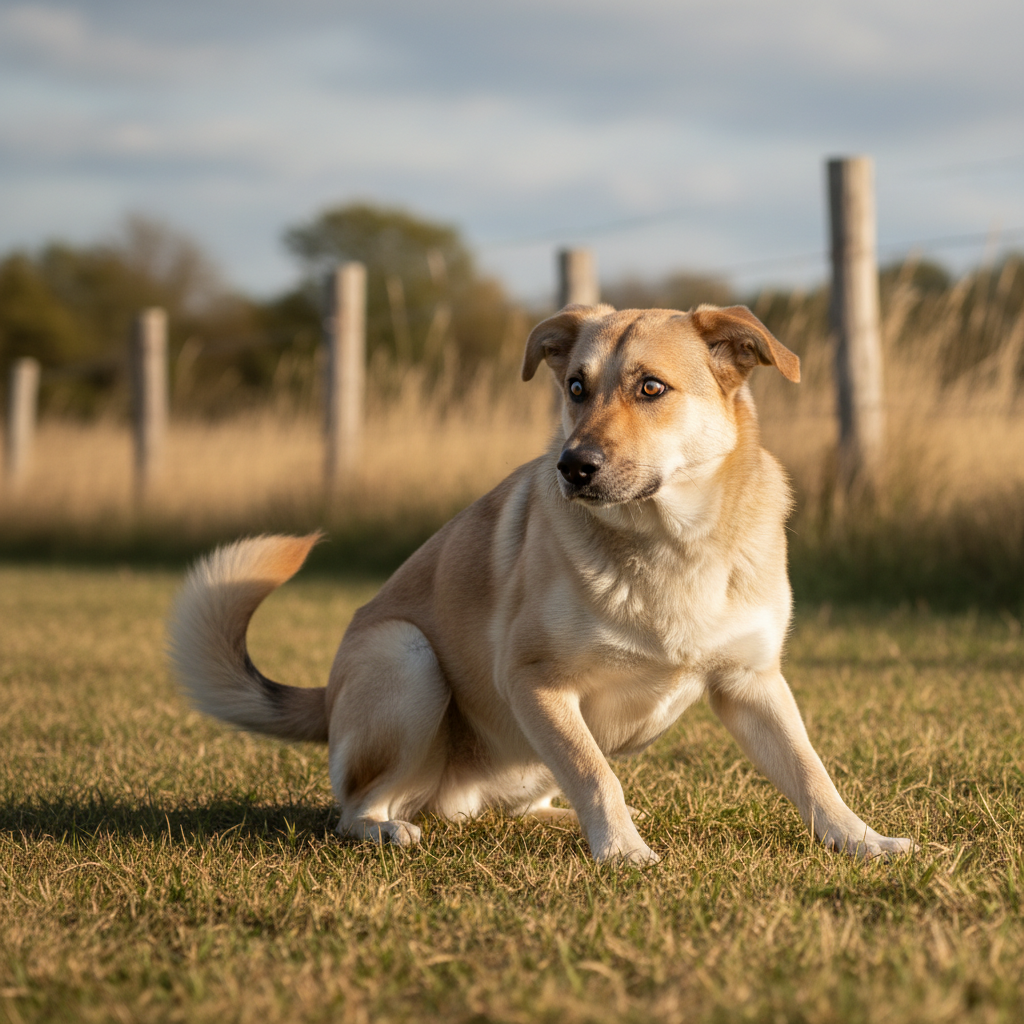
01
Lack of Early Socialization
Between 3–16 weeks, puppies must be exposed to people, environments, sounds, and objects. Without this, unfamiliar situations are perceived as threats.
02
Traumatic Experiences
Negative events such as dog attacks, harsh corrections, or loud events create lasting fear associations.
03
Genetic Predisposition
Some dogs are naturally more sensitive and reactive, requiring structured guidance rather than pressure.
04
Environmental Instability
Inconsistent routines, unclear leadership, and chaotic environments create anxiety and uncertainty.
05
Pain or Medical Issues
Discomfort can cause withdrawal, avoidance, or defensive behavior often mistaken for fear.
06
Learned Fear Patterns
If fear-based behaviors remove stress, they become reinforced and more automatic over time.
07
Miscommunication
Inconsistent signals and emotional responses from owners lead to confusion and fear responses.